Who Really Owns Your Money?


Why Self-Custody is the Future of Saving
In 2019, Lebanese depositors woke up to find the doors of their banks locked. Overnight, accounts were frozen, withdrawals capped, and people were cut off from their own life savings. Families couldn’t pay for urgent medical expenses or school tuition — not because the money wasn’t there, but because someone else controlled access to it.
That moment wasn’t unique to Lebanon. Around the world, whenever financial systems come under stress, savers are the first to feel the squeeze. And it’s not just banks. In 2022, millions of customers of Celsius and FTX, platforms many trusted like digital banks, discovered the same painful truth: if someone else holds your money, you may not truly own it.
Self-custody is the answer.
What does self-custody mean?
At its core, the idea is simple: custodial means someone else holds your assets, non-custodial means you do.
When you deposit money at a bank, or transfer crypto to an exchange, you hand over control. They hold the keys. They decide when and how you can access it. In normal times, that feels fine. But when stress hits, your access can vanish in an instant.
Self-custody flips the equation. Instead of relying on a bank ledger or exchange balance, you hold the private keys that secure your assets. Think of it like the difference between leaving the only key to your house with a landlord versus keeping it in your own pocket.
Why it matters
Look around emerging markets and you see the stakes everywhere.
Lebanon 2019/2020: people trapped by capital controls, forced to watch their savings evaporate.
Nigeria 2023: the government swapped banknotes overnight, imposed withdrawal limits, and suddenly ATMs went dark. Businesses couldn’t pay staff. Families couldn’t cover weddings or medical bills.
And outside traditional banks, the same story with different actors:
Celsius and FTX: customers logged in one day to find billions of “customer funds” gone.
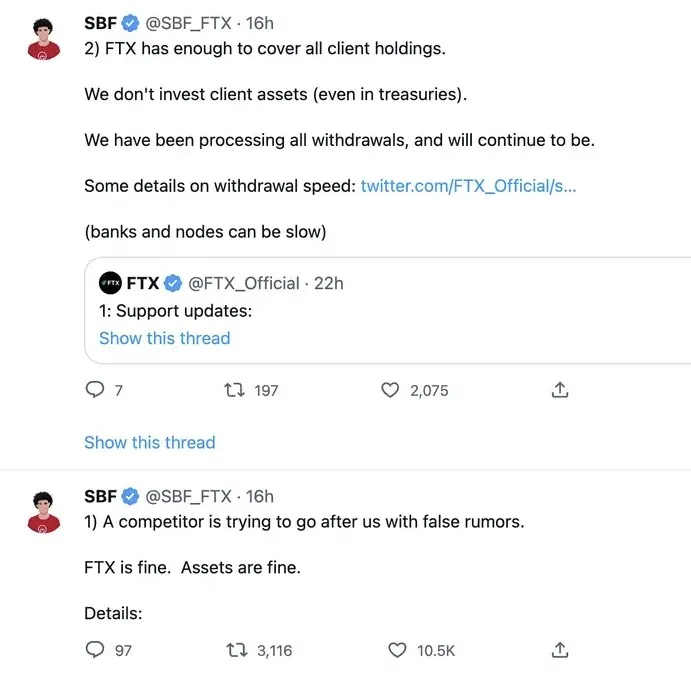
“‘Assets are fine,’ SBF tweeted on November 7, 2022. Within 48 hours, FTX froze withdrawals and revealed an $8 billion hole in customer funds.”
It keeps happening, just in different forms. Whenever you hand over control, you’re taking a bet that the custodian will always do the right thing. History suggests otherwise.
Isn’t self-custody risky too?
Fair point. In the early crypto days, losing a password meant losing everything. That was the catch.
But things have moved on. Today you’ve got multi-party wallets, biometric logins, recovery options. You don’t need to be a coder to keep control. The rough edges are smoothed out.
So yes, there’s still responsibility. But it’s not the scary, all-or-nothing gamble it used to be.
The Sovra approach
At Sovra, we keep it simple: your money, your control.
You hold the keys. Always.
The app feels as familiar as mobile banking, without the jargon.
Security is covered with encryption, biometrics, and straightforward recovery options.
No middlemen. No fine print. Just savings you actually own.
Looking ahead
The last decade exposed how fragile custodians can be, from banks under capital controls to exchanges imploding overnight. The next decade will belong to savers who control their money directly, without depending on intermediaries to grant access.
Self-custody isn’t just a feature. It’s the foundation of financial sovereignty. And with Sovra, it’s no longer reserved for the technically savvy — it’s available to anyone with a smartphone.
The future of saving is in your hands.