What Buenos Aires already knows


On the stablecoin shift that already happened — and the one that’s coming
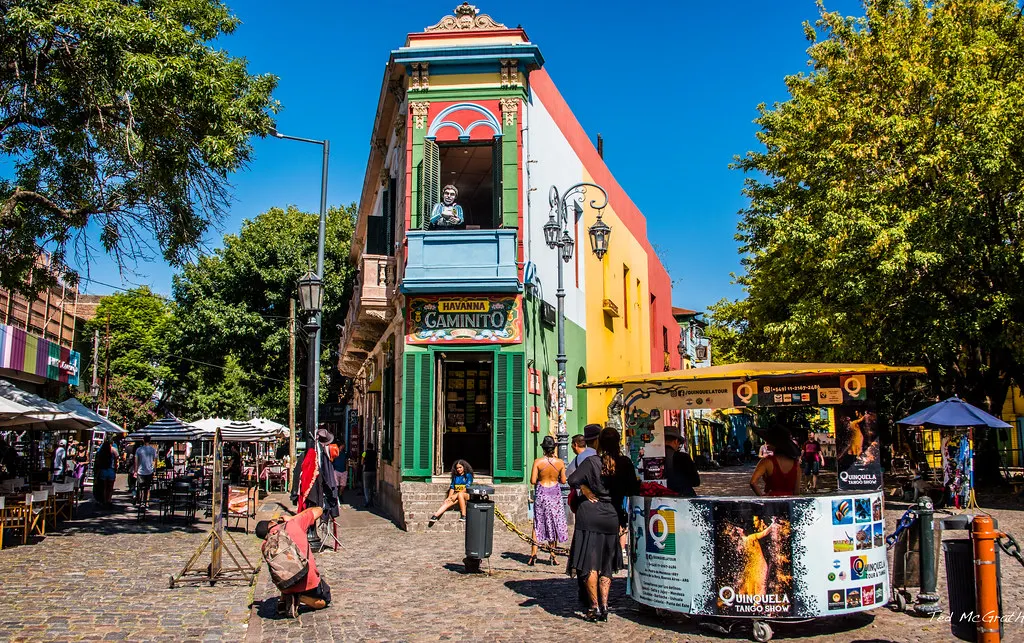
A scene that no longer feels unusual
In Buenos Aires, a graphic designer who works with clients in Madrid and New York is paid in dollars and keeps most of them in stablecoins on her phone. An engineer working remotely for a US company does the same. A mother whose son works in Miami receives the money he sends her this way, and holds it in dollars because the peso version would lose value before she needed it.
None of them think of themselves as crypto users. They are people who figured out how to keep what they earn, in a country whose currency does not let them.
This started as savings. It is now extending to spending: cards tied to stablecoin balances, merchants accepting them at checkout, payroll arriving in digital dollars. The rails that began as a way to hold value are becoming the rails the economy moves on.
What you are reading about is not a forecast. It is a description of something that already happened.
How the shift began
The shift in Argentina did not begin with crypto. It began with people running out of patience.
Argentinians have lived through inflation that erases savings every year, currency controls that limited how many dollars they could buy, and a banking system that gatekept dollar access for those who could afford it. The Argentine peso has lost more than 90% of its value against the dollar in the last five years. People who tried to hold dollars at the bank were told the queue was for someone else.
The same pattern shaped the rest of the region. Venezuela watched a currency lose meaning entirely. Brazilians faced restrictions on holding foreign currency at home. In Colombia, opening a US dollar account at a local bank required a five-thousand-dollar minimum that most people would never see in one place at one time.
People did not go looking for stablecoins. They went looking for a way to keep what they earned. Stablecoins were the answer that worked, because they did three things at once: they held value, they sat in the holder’s own pocket, and they could move across borders without a bank’s permission.
What it looks like now
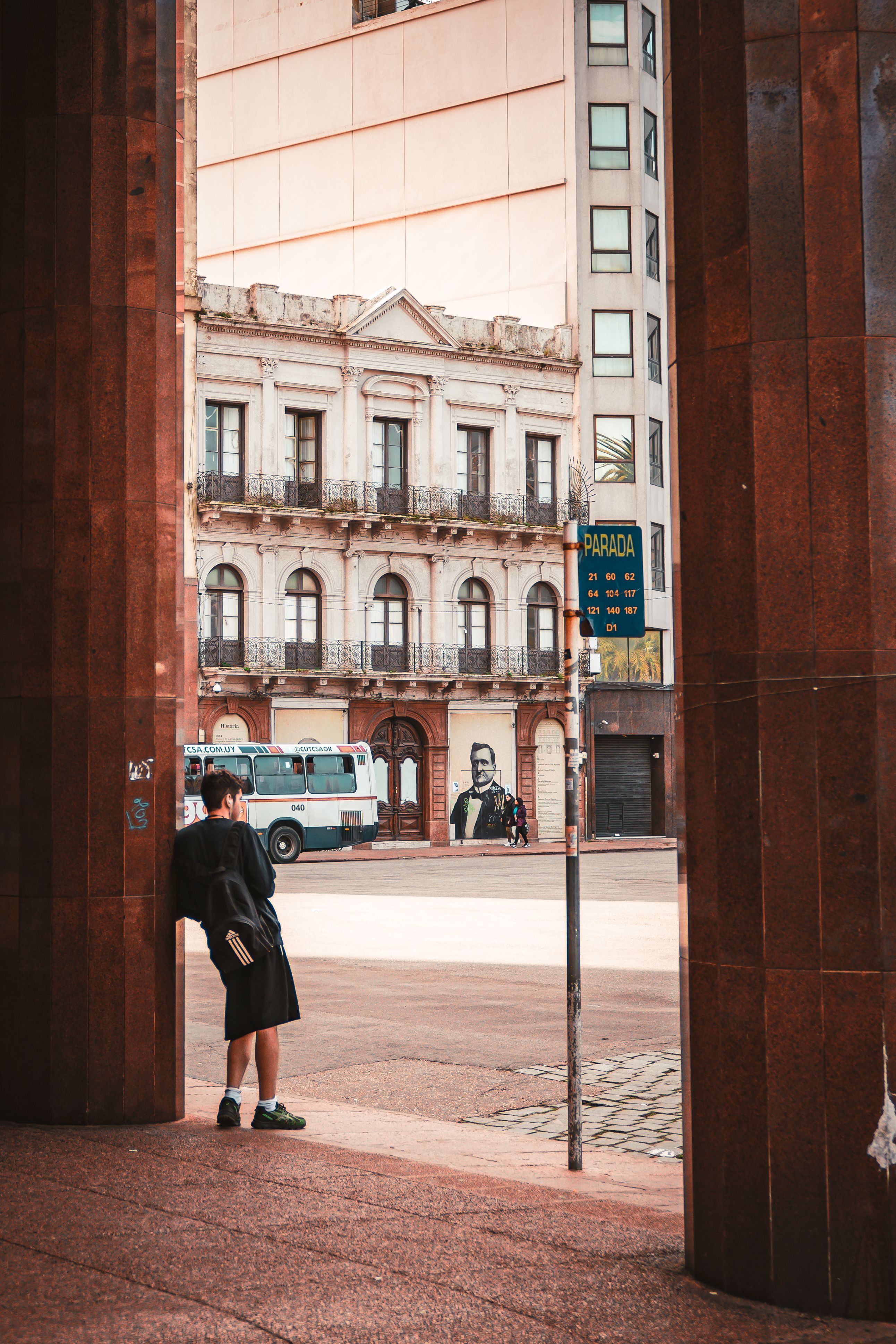
The shift is not on the horizon. It already happened.
Across Latin America in 2025, stablecoins overtook Bitcoin as the most-bought form of crypto for the first time, forty percent of all purchases versus eighteen. In Argentina, the gap is wider: more than seven of every ten dollars going into crypto go into stablecoins. The region has stopped treating crypto as an investment and started treating it as financial infrastructure.
A worker sending three hundred dollars home every month through a bank loses around six and a half percent to fees and exchange spreads. The same worker on stablecoin rails loses well under two. Over a year, that is roughly a month of groceries.
What Argentinians figured out is not a new way to use crypto. It is a different way of holding their money. Self-custodied digital dollars on a phone. The dollar is what they hold. The rails are what carries it. No one else can move it, and no one can impose limits on how much they hold or carry.
The dollar is already here. The form is not.
In Lebanon, the dollar is already how people live. Rent, groceries, school fees, salaries where possible, priced and paid in dollars. The lira is incidental.
The bank is no longer where those dollars sit. So people keep them in cash. In drawers, behind books, in safes if they can afford one. Counted by hand. Carried to merchants.
Cash works for day to day spending, and not much beyond that. It earns nothing while it sits. It cannot pay for anything online. It cannot be sent across a border without a courier or a fee. It is vulnerable to theft, to fire, to being away from home when you need it.
You already hold dollars. What you do not have is a way to use them as the basis of a financial life. Earning on them, spending them globally, sending them, receiving them, keeping them safe without keeping them under a mattress.
What Argentina figured out is the part that has not yet arrived here. Not the dollar. The form. Held on a phone, the same dollars become spendable, sendable, earnable, and yours in a way that cash never quite is, because no one else can move them, and no one can tell you what to do with them.
Press enter or click to view image in full size
Why the shift hasn’t fully reached here yet
The conditions are the same. Appetite for the dollar. High remittance volume. Freelancers and remote workers being paid from abroad. Currencies that lose value while you sleep, or were already abandoned in favor of cash dollars. So why hasn’t the shift happened here the way it happened in Latin America?
Two main reasons.
The first is regulation. Latin America’s regulators moved early. Brazil clarified its crypto framework. Argentina’s central bank acknowledged the dollar demand it could not suppress. Mexico built fintech licensing. The legal foundation for consumer products was in place years ago. In this region, until recently, most regulators were silent or hostile. That is changing fast. Dubai, Abu Dhabi, and Bahrain now have full stablecoin frameworks. The UAE passed federal crypto legislation that took effect this year. More countries are following. The shift in posture is accelerating, helped along by regulatory clarity in the US, where the GENIUS Act gave the global stablecoin market a foundation it did not have before.
The second is consumer infrastructure. Latin America had years of locally-built apps that made stablecoin holding feel like banking. Lemon, Bitso, Ripio, Belo. Built for local users, in local languages, plugged into local payment rails and local financial behavior. None of that was built for this region. Stablecoins existed here, but mostly through global exchanges that were not designed for everyday use, did not connect to how people actually pay or get paid, and did not serve people who were not already crypto users. Sovra is fixing this.
What comes next
The rails are global now. The technology is accessible. Building a financial experience that meets real, local needs is no longer a future vision. It is what comes next, and it is already arriving.
The shift came first to Buenos Aires. It is coming here next.
Sovra is coming soon. Join the waitlist.