When the Banks Close and the Bombs Fall


What to Grab When You Run
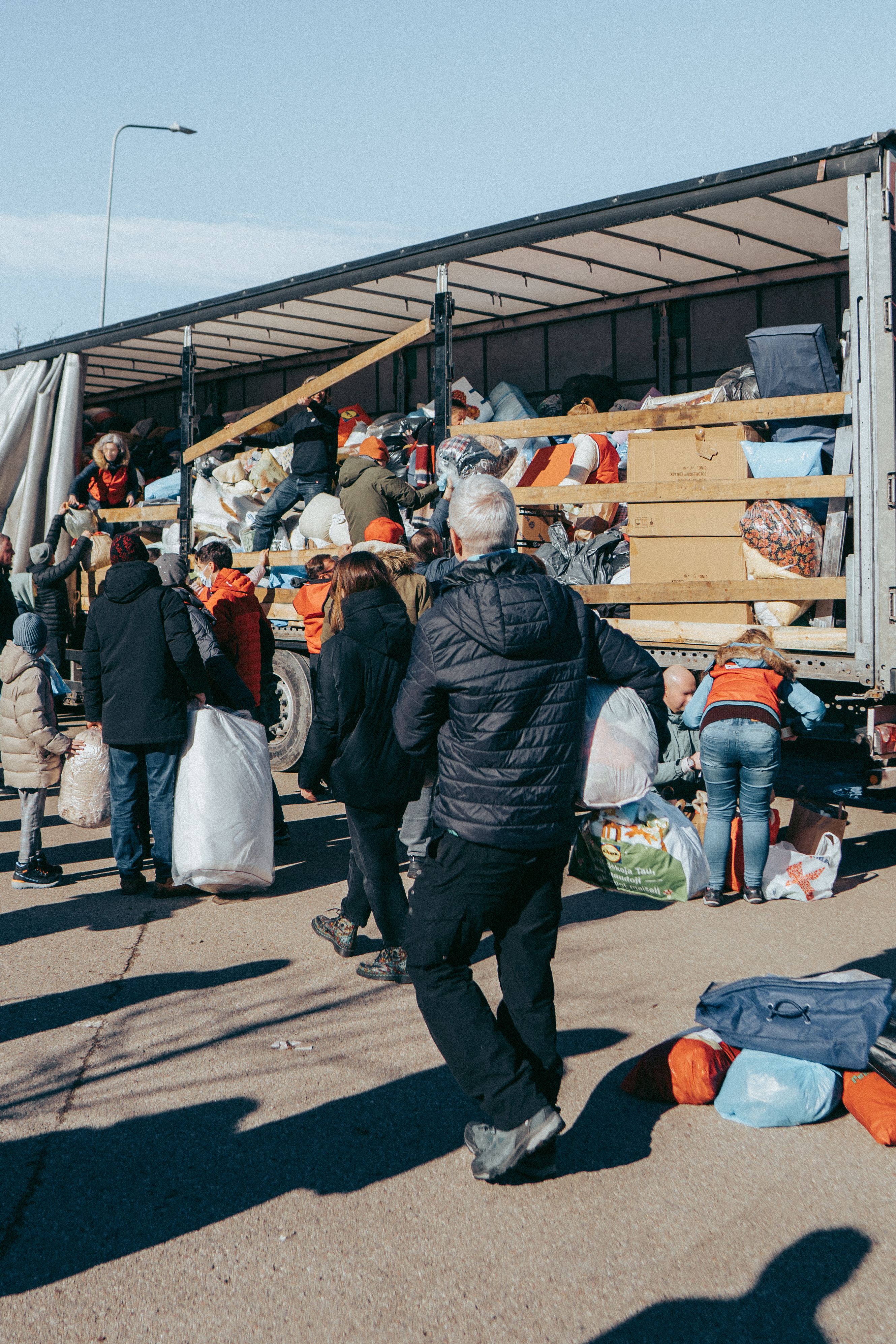
A family in Beirut is facing that question again. Not for the first time. The suitcase is already by the door, packed light, the way you pack when you don’t know how long you’ll be gone. Documents. A change of clothes. A phone. And somewhere in that calculation, the question every family has to answer: what do we do with our money?
A Region under attack
Right now, Israel is waging war on multiple fronts simultaneously. Civilians are not spared. Millions of people are either already displaced or living on standby, bags packed, phones charged, waiting to see if danger comes to their street next.
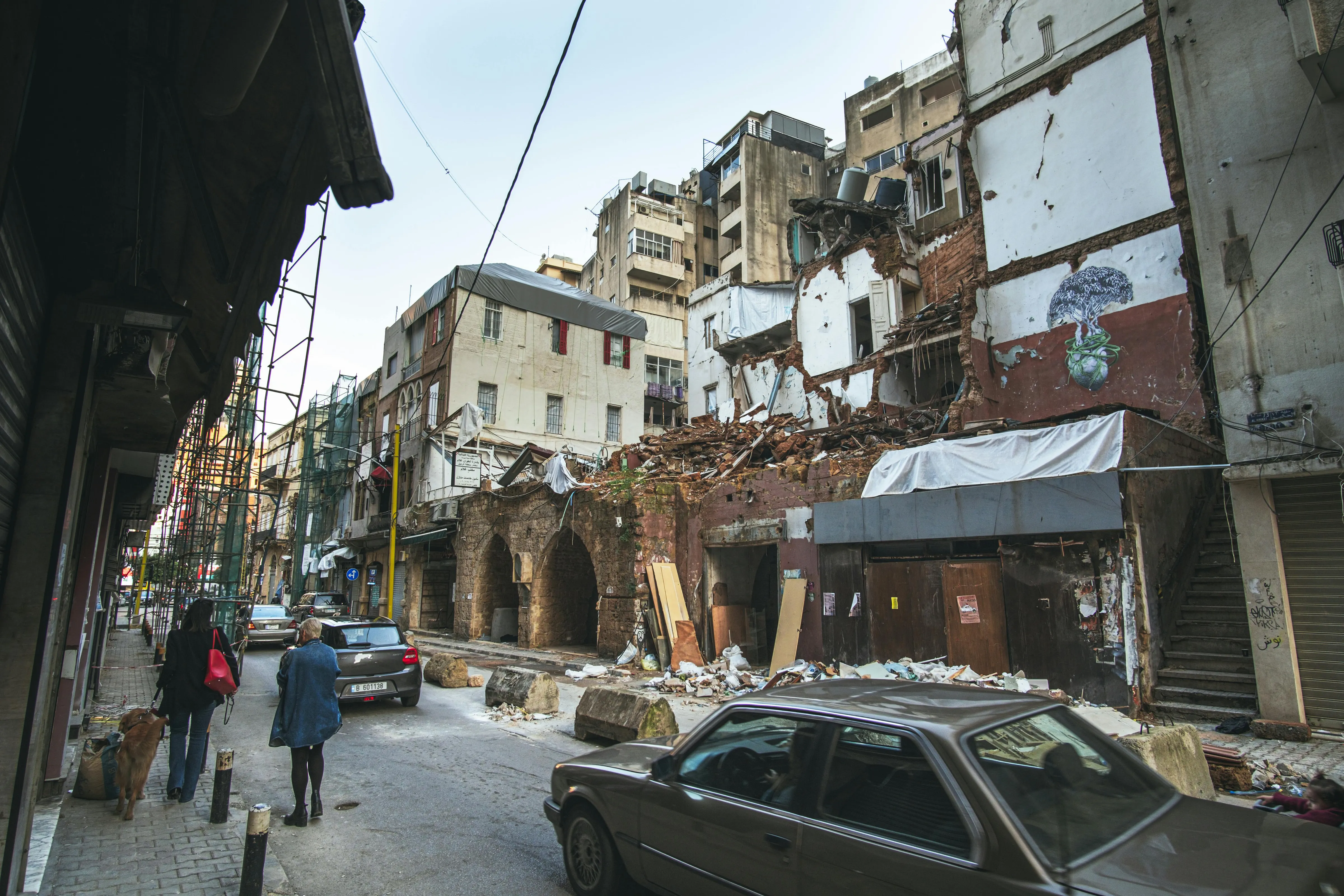
The Bank Was Already Gone
For people in Lebanon, the calculus is made harder by a financial system that has already failed them once. In 2019, Lebanese banks froze accounts without warning. Families who had saved for decades watched their money become inaccessible overnight. The banks didn’t collapse under the bombs. They collapsed before them, and took people’s savings with them.
Cash Is Not a Plan
So people keep cash at home. It feels like control. In a region where banks have proven unreliable, it is an understandable instinct. But cash has its own failure mode. You cannot run with a metal safe between your hands. Notes stuffed in an envelope don’t survive a checkpoint. They get lost, stolen, left behind. And if you make it across a border, there is no guarantee you are allowed to bring them through. There are stories of families who made it out with nothing. Not because they had nothing, but because what they had could be taken.
Cash is not a plan. It is a placeholder.
The Third Option
What people needed was something that moved with them. Portable, stable, and answerable to no one but its owner. This is where self-custody changes the equation.
Your money lives on your phone, in a wallet only you control, held in digital dollars that don’t swing in value. No bank holds it, no institution can freeze it, no checkpoint can confiscate it. You don’t ask permission to access your own funds. You cross a border with your phone in your pocket and your money is there, intact, on the other side.
For a family that has already watched a bank freeze their savings once, this is not a technical detail. It is the entire point.
Convenience Elsewhere. Infrastructure Here.
In stable countries with mature financial systems, stablecoins are a convenience layer. A faster way to send money. A better savings rate. A fintech novelty. Here, the framing is different. When the bank has already proven it will lock you out, when the currency has already collapsed, when the bombs are already falling, this is not a nice-to-have. It is infrastructure. It is the difference between leaving with your savings and leaving without them.
At Sovra, this is what we work toward. Making this technology usable for the people who need it most. Simply, and without barriers. Everything you need fits in your pocket.
If you or anyone you know is affected, reach out to hello@sovra.money. We will onboard you directly, at zero cost.